


Post-demonstration evaluation: hands-on testing and deep references
Demonstrations are marketing presentations showing best case scenarios with perfect data and ideal workflows. Real decisions require hands-on experience with actual systems in your environment.
Hands-on testing (when available)
Most vendors won't offer full trial access or sandbox access. It's quite rare in the HRIS world. Ask vendors if they can give limited demo environments where you can explore and test basic functionality without real data or full system access.
Making the most of sandbox access
If you get sandbox access, treat it like a proper test drive. Have multiple team members log in during extended demos and try completing actual tasks. This reveals usability issues invisible when you're just watching someone else navigate.
Test the most common tasks your team performs daily that relate to your documented blueprint: adding employees, processing changes, updating organisational structures, generating reports, completing manager actions. Focus on whether day-to-day tasks feel intuitive or frustrating
When full trials aren't available
Since proper trials are uncommon, get creative about testing vendor claims. Request extended demonstration sessions where you direct the flow rather than watching standard presentations.
Ask for specific scenario walkthroughs using examples from your actual HR operation. Bring real organisational structures, employee situations, and workflow requirements. See how systems handle your complexity, not their simplified demonstration scenarios.
Speak directly with current customers during reference calls about their hands-on experience. What's the day-to-day reality of using this system? What surprised them (positively and negatively) after they started using it regularly?
Reference deep-dives
Now's the time for detailed reference calls. You've narrowed options, so you can afford more time on thorough reference checks.
Ask vendors for three to four reference customers similar to your organisation in size, industry, or use case. Whilst these will be their success stories, they're still valuable for understanding implementation experiences. Supplement these with your own network research and check review sites like G2, Capterra, or TrustRadius for broader feedback patterns. Look for consistent patterns; repeated complaints about the same issues across multiple sources warrant investigation.
Ask about implementation experiences specifically. How long did it really take? What went wrong? What would they do differently? This information helps you plan realistically and set appropriate expectations.
Dig into ongoing support experiences. How responsive is the vendor when problems arise? Have there been significant outages or performance issues? How well does the system handle peak usage periods?
Ask about the vendor relationship overall. Do they feel like valued customers, or just another licence number? How well does the vendor communicate product changes and updates?
The Instinct Check
Data and scorecards matter, but don't ignore instincts. After all the demonstrations and trials, which system feels right for your organisation?
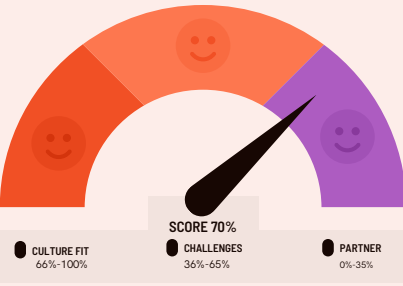
Consider cultural fit between your organisation and the vendor. Do they understand your industry and challenges? Do they seem like a company you'd want to partner with for several years?
Think about growth and scalability. Which system feels most capable of growing with your organisation? Which vendor seems most likely to continue innovating and improving their product?
Most importantly, which system are your users most enthusiastic about? User adoption drives HRIS success more than feature lists. If your team is genuinely excited about learning a new system, half the battle is already won.